How to Adjust Your Fitness Goals While Traveling

WORRIED ABOUT LOSING FITNESS PROGRESS WHILE TRAVELING?
Maybe you’re heading out on a two-week vacation and wondering if you’ll lose your gains. Maybe you’re backpacking for several months and trying to figure out how to stay fit on the road.
Whatever your situation, you’ve probably experienced some version of this thought: “I know what I’m capable of doing at home. Why can’t I seem to stay on track while traveling?”
You start the trip with good intentions, but then reality happens. You’re constantly making decisions, figuring out transportation, exploring a new city, eating at restaurants, meeting people, and adjusting to unfamiliar surroundings.
What I’ve learned after years of balancing fitness and travel is that most people judge themselves against the wrong standard.
We expect ourselves to maintain the same level of training while traveling that we maintain at home. But that’s unreasonable and, if you constantly judge yourself based on your ability to do this, then you’ll constantly feel frustrated.
In this post, I’ll outline the 4 modes of fitness (from basic movement routines to athletic performance progression plans) and how to concretely “adjust your expectations” while traveling.
PLAN YOUR TRIP WITH MY FAVORITE RESOURCES:
➡Best accommodation site: Booking.com
➡Book day tours here: Viator.com
➡Purchase travel insurance here: SafetyWing
➡Save hundreds on flights: Beginner credit card hacking
Why Staying Fit While Traveling Feels So Hard
One of the most common fitness questions travelers ask is surprisingly simple:
“How long can I stop exercising before I lose my progress?”
Behind that question is usually a deeper fear:
“What happens to everything I’ve worked so hard to build?”
I understand that fear.
As someone who travels frequently, teaches fitness classes, lifts weights, and genuinely enjoys exercising, I’ve spent years trying to figure out how fitness fits into a travel lifestyle.
What I’ve learned is that many of us are judging ourselves against the wrong standard: We expect ourselves to maintain the same level of training while traveling that we maintain at home.
The problem is that fitness isn’t one thing. There are levels to it. And travel affects every single one of them.
The Four Modes of Fitness
Fitness exists in different modes – from simple movements like walking, to developing a consistent exercise routine, to higher-level athletic trainings. In essence, ask yourself about your normal “mode” of operation when it comes to fitness.
I choose the word “mode” since calling them “levels” might feel elitist; like if you’re operating at a higher level then you’re “better” than everyone else. Though, I’ll use “level” more like a verb to show the adjustment you might need to make when you scale down your expectations to align with your travels.
Most likely while traveling, you’ll need to “level down” from where you’re operating at home. Why? Because traveling is all things new, chaotic, unpredictable, and exhausting. It’s not conducive for the full structured package of proper nutrition + exercise regiment + sufficient recovery.
The breakthrough I’ve had for myself is trying to quantify each mode to best describe what it looks like to “manage your expectations while traveling.”
You need to expect to level down.
Mode 1: Movement
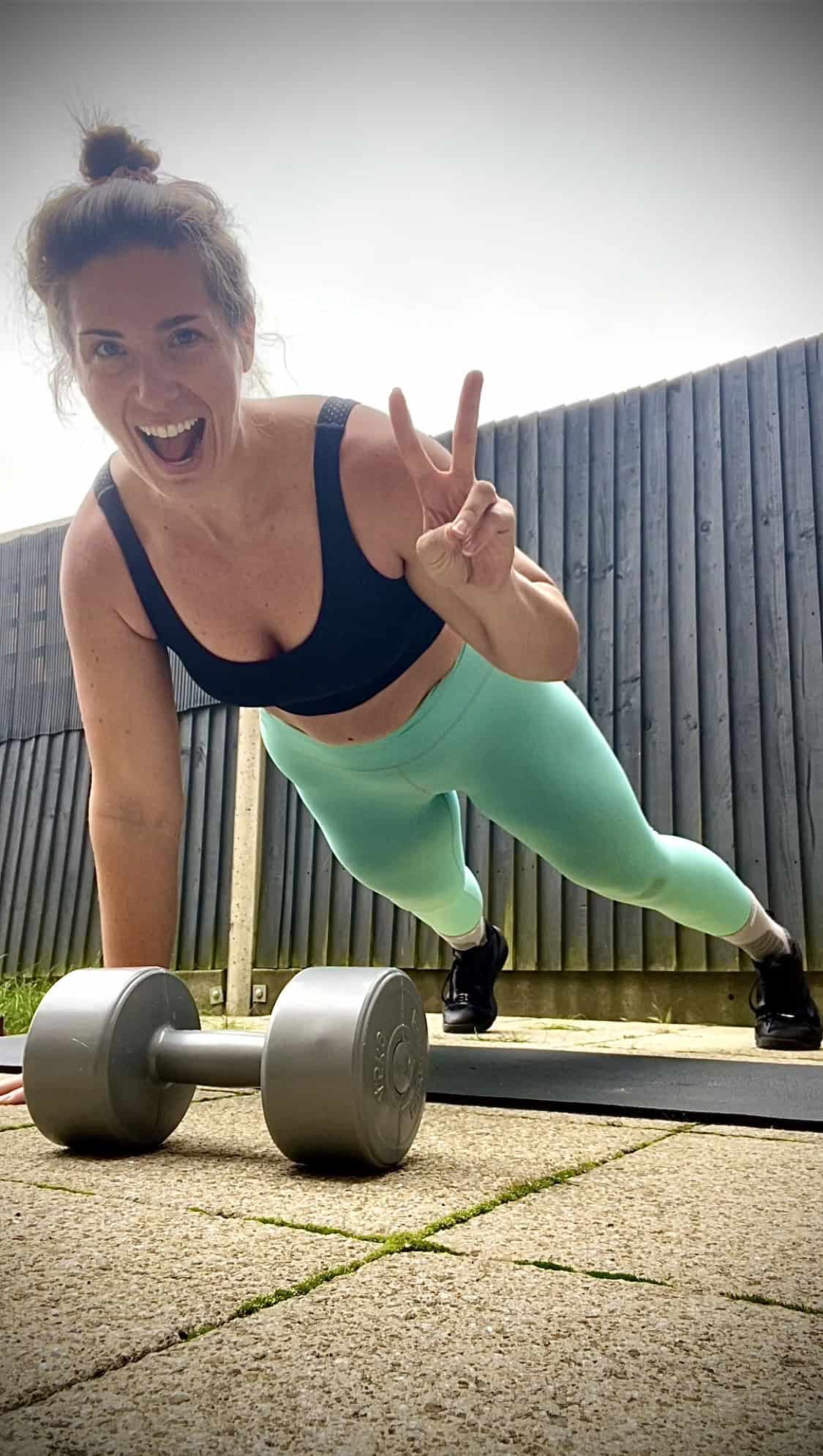
This is where many people start. The goal isn’t building muscle, setting personal records, or following a structured training plan.
The goal is simply MOVEMENT.
👉Going for a walk
👉Doing a short workout video
👉Stretching
👉Taking the stairs
👉Getting your body off the couch
For many people, consistency at this level is already a challenge. Life is busy. Motivation comes and goes. Building the habit itself takes effort.
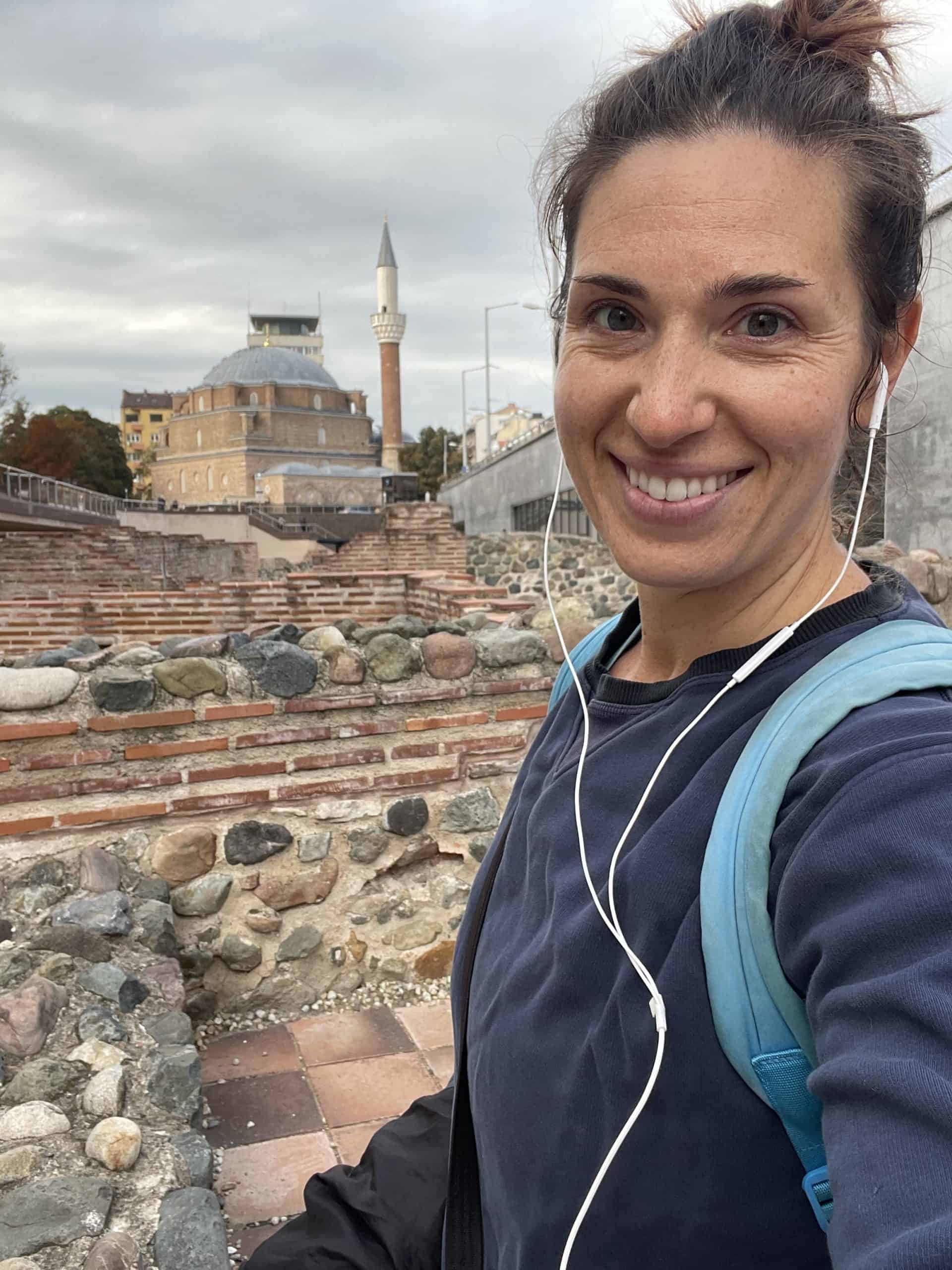
If this is your current mode, don’t underestimate its basic importance:
Movement creates momentum.
You don’t need a perfect workout plan if you’re still trying to establish a relationship with exercise itself.
Check out my other post on easy ways to incorporate more movement into your travel plans
Mode 2: Consistency
At this level, exercise has become part of your ROUTINE.
You don’t just work out when you feel motivated. You show up regularly.
👉Perhaps you hit the gym 1-3 times per week
👉You’re a regular at weekly group fitness classes
👉Maybe you’re a runner who follows a weekly routine
You’re no longer asking, “Should I exercise today?”
You’re asking, “What workouts am I doing this week?”

This is where many travelers run into their first major challenge.
The systems that support consistency at home often disappear while traveling.
- Your favorite gym isn’t there
- Your group fitness instructor isn’t there
- Your personal trainer isn’t there
- Your workout buddies aren’t there
- Your commute is different
- You have to think harder about what shoes and workout clothes to pack
Even if those resources exist, they may be in another language, require unfamiliar memberships, or simply be too far away to be practical.
Suddenly you’re responsible for creating your own structure….AGAIN!
That can be surprisingly difficult.
Check out my post on Travel Workout Motivation
Mode 3: Performance
This is where training becomes more INTENTIONAL.
You’re not just showing up. You’re actively trying to improve and progress.
👉You’re pushing harder
👉Tracking progress
👉Increasing weights
👉Running faster
👉Working at higher levels of exertion.
You care about progressive overload. You care about performance. You care about measurable improvement.
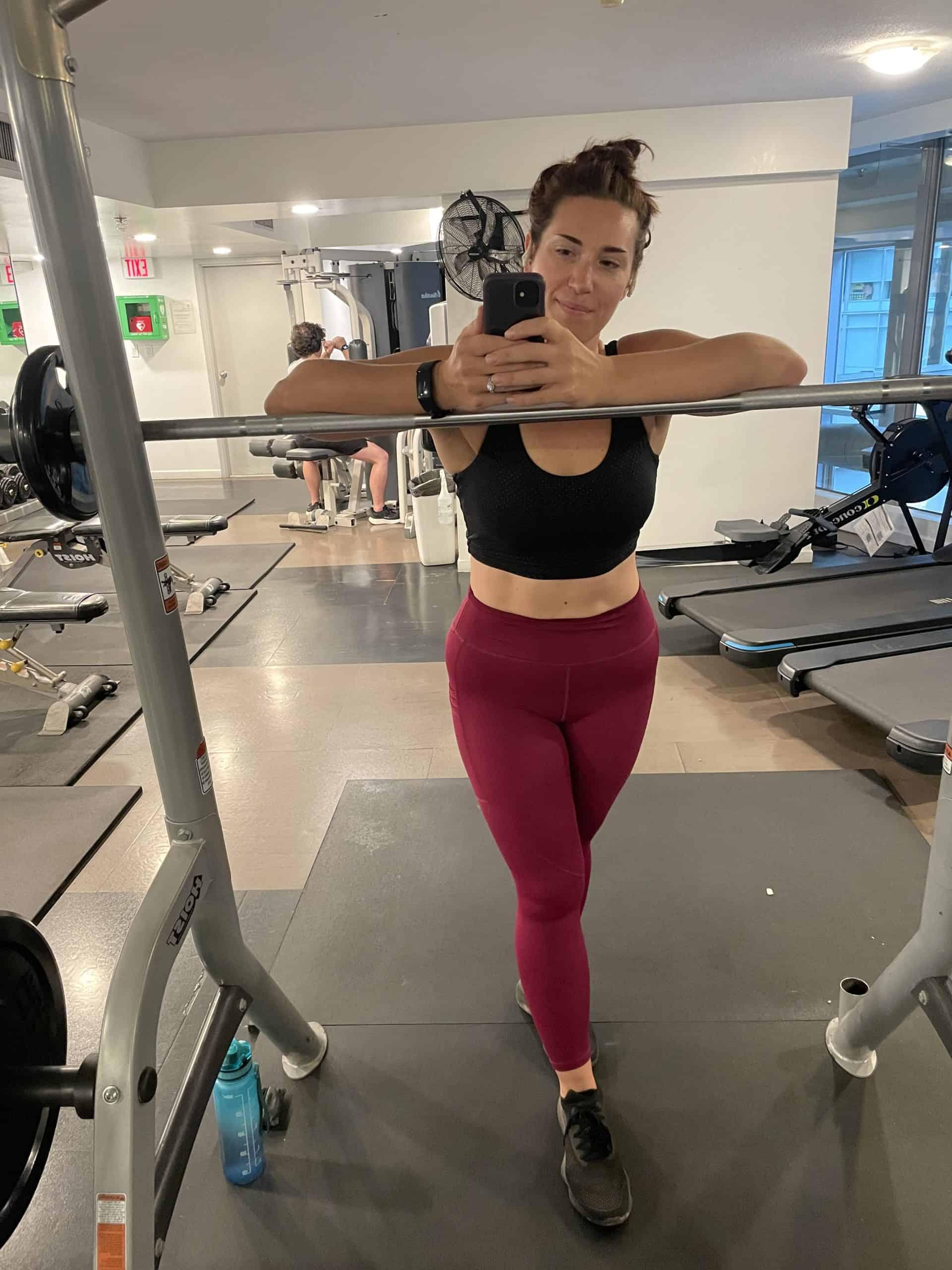
This level requires more than consistency. It requires energy, recovery, nutrition, sleep, and mental focus.
You can occasionally push through a poor night’s sleep or a stressful week, but long-term progress requires resources.
And travel consumes resources. Every travel day creates decisions.
- Where am I sleeping? What time is check-in?
- What am I eating? Where’s the nearest grocery store?
- Is there a gym nearby? What’s the price? Is it cash only?
- What equipment do they have and how do I modify my strength training regiment?
Decision fatigue is real.
The more energy travel demands, the less energy remains available for high-level performance.
Mode 4: Systematic Progression
This is where things become truly ADVANCED. I’m talking you might read a book on the “science behind exercise.” This isn’t just working hard. It’s working smart.
You aren’t randomly choosing exercises. You’re following a progression model. Every workout builds upon previous workouts. Every month builds on the previous month.
There’s a reason behind everything:
👉Why you’re doing certain exercises in a specific order.
👉Why you’re adjusting the volume of sets and reps
👉Why you’re working at a higher or lower level of intensity (RPE = rate of perceived exertion)
👉Why you add (sometimes boring) accessory and mobility work in addition to your compound exercises
This is the world of structured strength programs – periodization, hypertrophy blocks, athletic development plans, and long-term performance goals.
This is where many people experience some of their biggest breakthroughs.
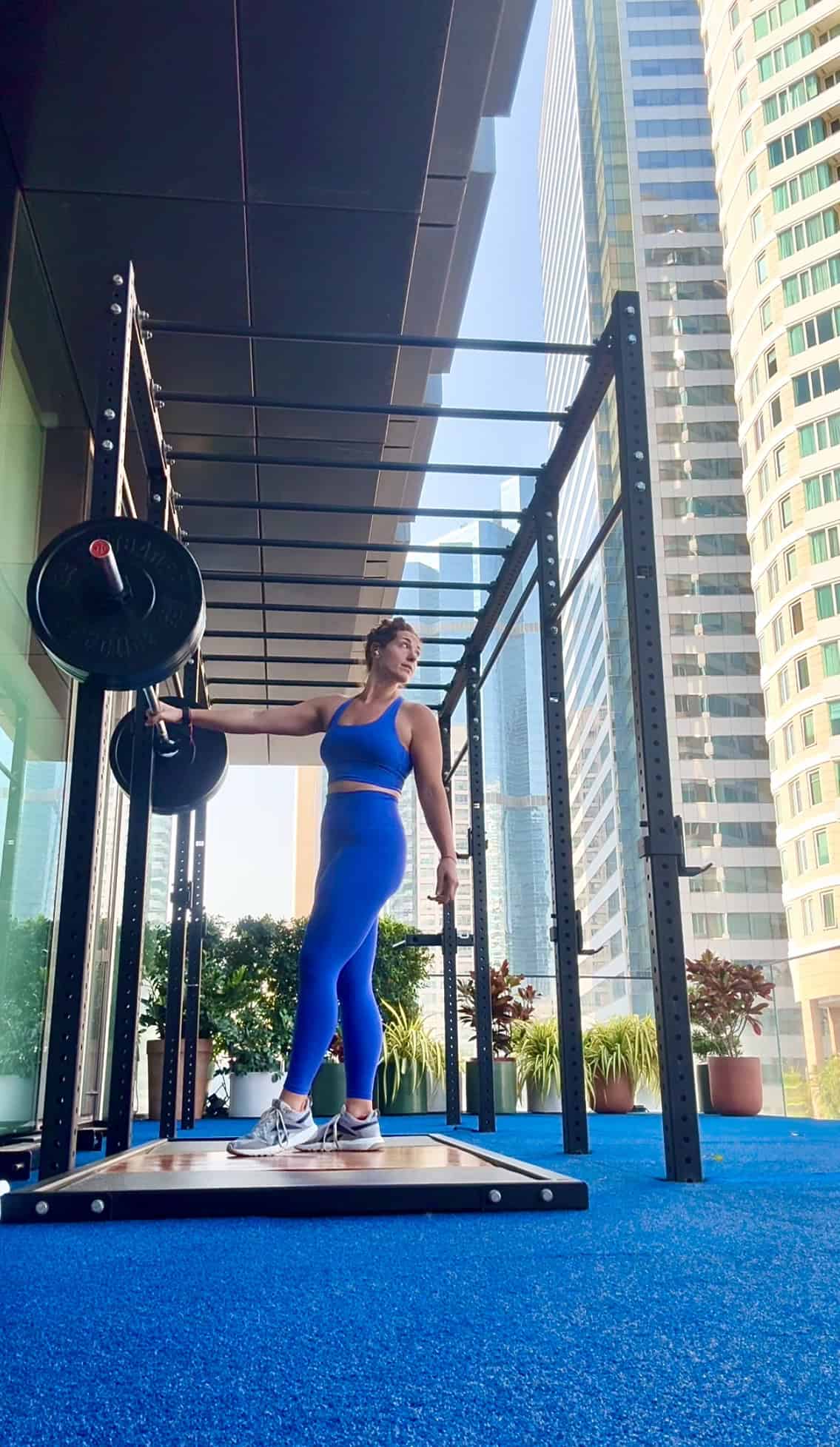
I’ve personally paid for training programs that completely changed how I viewed exercise because for the first time I felt like I wasn’t just exercising. I was heading somewhere and I needed a skilled professional designing the roadmap behind the plan.
That feeling is incredibly motivating.
But here’s the reality: Mode 4 is difficult even at home.
Trying to maintain Mode 4 while traveling continuously is another challenge entirely.
After reading all of the above, it probably makes sense now: The more advanced the mode of operation, the more time, energy, planning, and recovery it requires.
Check out my other blog post on
Strength Training in Foreign Gyms While Traveling
The Hidden Cost of Travel
Every mode requires something different, but the higher you climb, the more support your body needs. If we graphed it, recovery needs would rise almost perfectly alongside training demands.
As training intensity increases, so does your need for:
- Quality sleep
- Adequate protein
- Consistent nutrition
- Stress management
- Recovery time
- Routine
The problem is that travel often pushes in the opposite direction:
Flights disrupt sleep, hostels create noise, restaurant meals make nutrition less predictable, etc. Constant movement creates stress.
You can absolutely make progress while traveling. But it requires an extraordinary amount of planning and discipline.
If you’re able to maintain a highly structured progression plan while traveling long-term, you’re operating at an advanced level most people never reach. It’s much harder than social media often makes it look.
Fast Travel vs. Slow Travel
The type of travel matters too. A two-week vacation presents different challenges than six months abroad.
Fast travelers constantly face logistical decisions and each new city requires research:
- Where’s the gym?
- How much is the day pass?
- Do they have the equipment I need?
- How far away is it?
- Can I fit a workout into today’s schedule?
Slow travelers face different challenges.
The logistics become easier, but mental fatigue can accumulate.
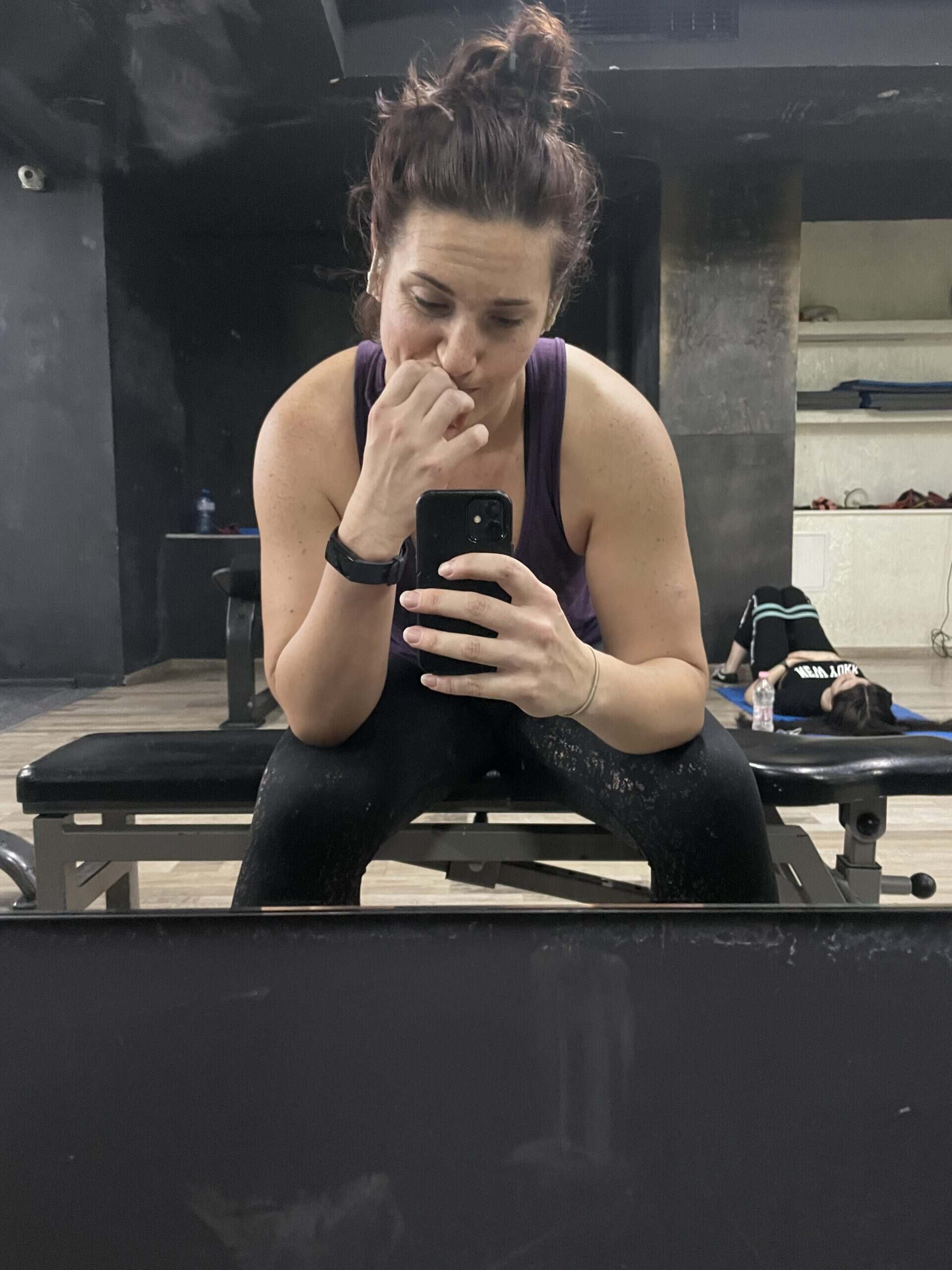
Perhaps you’re putting down enough roots to feel social or you’re feeling somewhat bored and transient because this “home” is still not permanent. A life of slow travel means nothing is fixed in the future; it’s still being determined. That reality of basic needs still being unfolded in front of you can create a lingering unsettling feeling.
Again, a lot of travel is mental. If you’re like me and you’ve suffered from travel decision fatigue and noticed it creep into the rest of your life…you get it.
Slow travel might fix some issues, but it might still leave you in a position to not be chasing peak performance right now. Maintenance might still be part of the solution.
Know Your Non-Negotiables
One of the easiest ways to stay active while traveling is to stop assuming you’ll have access to everything you normally use at home.
The longer I’ve traveled, the more I’ve simplified my expectations.
Instead of asking, “What is the perfect setup?” I ask, “What do I absolutely need to maintain my routine?”
For me, that usually comes down to:
That’s it. Everything else is a bonus.
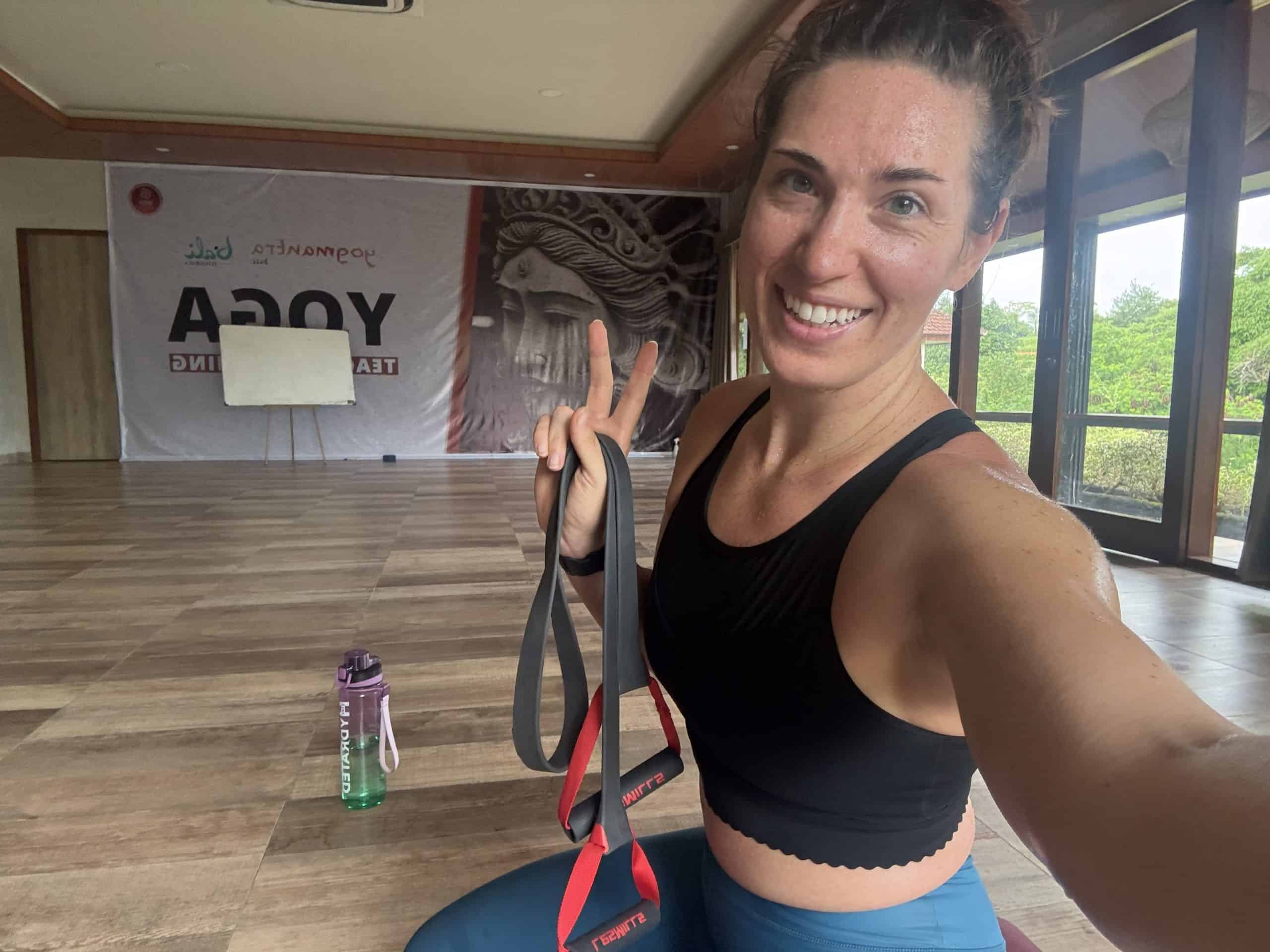
It takes effort to research local gyms and it uses some of my budget to spend money on a day pass. If I opt for the gym, it might have some or all the equipment I need. But I don’t build my entire fitness routine around resources I may or may not have access to.
Knowing my non-negotiables gives me flexibility. Even if I don’t have a gym nearby, I can still strength train, work on mobility, do core work, and maintain a basic routine.
Before a trip, it helps to identify your own version of this minimum effective dose. Ask yourself:
- What equipment do I genuinely use regularly?
- What can I realistically pack?
- If I had no gym access, what would allow me to keep moving?
The more unpredictable your travel becomes, the more important these questions become.
Travel has a way of forcing simplicity. Rather than trying to recreate your perfect home setup, focus on the few things that help you maintain consistency.
Assume you’ll have less than you’re used to, and build from there.
You’ll spend less time worrying about what’s missing and more time making the most of what you have.
Check out the best travel yoga mats & portable travel workout equipment.
Traveling With Other People
Another challenge people rarely talk about is the social aspect of balancing your trip with friends and your personal need to stay fit and active.
Fitness is easier when the people around you support it. When you’re at home, you might have a “gym community.” However, most likely those are not the folks joining you on your vacation.
Your friends, family, or partner may not want to wake up early for a walk or use their precious vacation time to go to a random, foreign gym. They may never think twice about packing the proper clothes or footwear for a workout session on vacation!
When I travel with my partner, I’ll happily disappear for two hours to lift weights while he does his own thing. But we’re comfortable operating independently and this resembles what we do at home.
Not everyone feels that freedom. Some travelers feel guilty leaving their friends. Others don’t want to miss experiences. Some simply absorb the habits of the people around them.
Travel has a way of amplifying those dynamics.
The more confident you become in making independent choices, the easier it becomes to maintain healthy habits on the road.
The Mindset Shift That Changed Everything for Me
The biggest lesson travel has taught me is that not every season needs to be a season of growth. Sometimes maintenance is the goal. And maintenance is not failure.
Right now, I could create a long list of things I’d ideally like to be doing while I’m slow traveling: more yoga, plyometrics, structured programming, etc. But I’ve had to accept that I can’t always do everything.
Sometimes the smartest decision is choosing one or two priorities and letting the rest go temporarily.
The irony is that maintenance often protects progress better than constantly chasing progress. Because when life eventually becomes more stable, you aren’t starting over.
You’ve preserved the habit, the movement patterns, the strength, and your identity as someone who takes care of themselves. And that’s what really matters.
Final Thoughts
Here’s the Rundown: If you’re struggling to maintain your normal fitness routine while traveling, stop asking whether you’re doing enough.
Worrying if you’ll lose fitness progress while on vacation won’t proactively solve the problem from occurring. The mental game of frustration, motivation, and meeting expectations matters more than you think.
Start asking whether your fitness expectations match your travel circumstances. Determine your normal mode of operation at home, then level down.
Accepting you’re in a phase of “maintenance” might be the biggest gain on your trip.

Ready to explore more ways to stay fit and healthy on your travels or plan epic adventures across the globe? Here are some ideas…
✴️Strength Training While Traveling: How to Lift Weights Abroad with Real Gym Equipment
✴️Best Travel Yoga Mats: Foldable, Compact & Easy to Pack
✴️The Best Portable Workout Equipment for Staying Fit while Traveling
✴️Travel Fitness: 11 Best Ways to Stay in Shape on Vacation
Follow me on Instagram to follow my travel & fitness journey
