Your Ultimate Yoga Retreat Packing Guide: Stress-Free Essentials for Every Climate and Destination

EXCITED ABOUT YOUR UPCOMING YOGA RETREAT BUT FEELING OVERWHELMED ABOUT WHAT TO PACK TO MAINTAIN YOUR ZEN?
I’ve participated in several yoga retreats and even taught for three weeks at an international destination, so I understand the importance of packing wisely for an activity-specific experience. If you’re new to retreats, check out my beginner’s yoga retreat guide for tips on what to expect.
Among friends, I’m known for my love of travel, consistent exercise, and the art of packing light! I rarely check a bag and have traveled for two weeks with just a personal item (and yes, I have a massive travel hack for clothing!).

With a thorough approach, I’ll help you understand what to bring or leave behind based on your destination and climate. This guide features essential yoga gear, personal items, and travel accessories to ensure you’re fully prepared for your journey.
Plus, I’ll provide an actual yoga retreat packing checklist you can use with ease!
PLAN YOUR TRIP WITH MY FAVORITE RESOURCES:
➡Best accommodation site: Booking.com
➡Book day tours here: Viator.com
➡Purchase travel insurance here: SafetyWing
➡Save hundreds on flights: Beginner credit card hacking
Planning for International Travel
Some yoga retreats might be found within your home country, but more likely than not, you’ll be traveling abroad and need to plan for the following items:
Visa Requirements
Before you embark on your trip, ensure you have your passport in hand and that it remains valid for at least six months beyond your departure date. It’s equally important to verify whether you need a visa for your upcoming destination.
Many countries permit U.S. citizens to visit for up to 90 days without a visa. However, some destinations may require you to apply for a visa in advance (often online) or purchase one upon arrival.
To determine the visa requirements for your yoga retreat location, check the official resources at Travel.State.Gov. I also recommend visiting the Visa Requirements for U.S. Citizens Wikipedia page for a user-friendly overview, although it is not an official source. This page can be particularly helpful for quickly navigating the requirements for multiple countries.

Travel Insurance
For years, I traveled without using travel insurance, and I often look back and regret that decision. Now, I always opt for SafetyWing, which offers travel insurance tailored for specific trip dates or a more economical rolling plan for frequent travelers. Their coverage includes cancellations, theft, and medical expenses incurred while abroad.
I’ve personally experienced their reliability firsthand; I received reimbursement through SafetyWing and frequently use their online chat for quick questions. Their team is consistently helpful, responsive, and communicates clearly, which is essential when navigating the complexities of insurance.
Attending a yoga retreat involves physical activity, which can pose risks, especially if you extend your trip or engage in new activities.
For instance, during my yoga retreat in Guatemala, I tried assisted handstands and ended up with a bone bruise on my right knee. Fortunately, it only caused me to miss one class and healed well once I got home. At that time, I didn’t have travel insurance, as I started using it regularly a year later. Had I needed medical attention or had to cancel activities, I would have relied on SafetyWing for reimbursement.
THRIFTY TRAVEL HACK: Always keep detailed notes and receipts if anything goes wrong during your trip. Contact your travel insurance provider immediately to report any issues. You never know what expenses might be eligible for reimbursement, especially if you’re informed about the required documentation.
Credit/Debit Cards and Local Currency
Pack your credit and debit cards as well as familiarize yourself with if you need to notify your bank about your travel as well as how often you’ll need to use the local currency in cash. Even if you can rely on your cards, it’s helpful to have some cash on hand especially if you get a massage at your yoga retreat and want to provide a tip.

For hands-down the BEST travel debit card, you should be using Charles Schwab. Why?? It doesn’t charge you a bank fee (like most do) and, if you get charged an international ATM fee, Schwab will reimburse you for those fees at the end of the month! (Those few dollar$ for fee$ really add up over time).
And if you want some superior travel CREDIT card recommendations, I talk about those in my Travel Resources page.
TLDR: The Capital One Venture X card is phenomenal! (I’m talking lounge access, price match, price drop, travel credit, 2 points on all purchases including international groceries, and the BEST customer service I’ve ever seen).
Learn the Local Language
Do not get stressed about putting full sentences together.
Aim to have just a few words in your back pocket and this will make you feel more confident interacting with the locals.

Now let’s dive deeper into how to specifically pack for your upcoming yoga retreat!
What to Pack for Your Yoga Retreat
Based on my wealth of travel and experience at yoga retreats, I’ll not only provide an itemized list but also context for your packing decisions.
Packing for a yoga retreat requires mindfulness about your destination, the types of yoga sessions you’ll attend, and your personal comfort.
Focus on lightweight, versatile clothing, essentials for pampering, and travel-friendly supplements that help you maintain balance throughout your retreat.

Travel Essentials
In addition to the items above, anytime you go abroad, you’ll want these items in your bag:
- Power Adapter and Converter: A power adapter is for the shape of the plug to match the wall outlet, while a power converter matches the voltage. I love how this universal adapter block comes with multiple prong options, making it compatible with nearly every country.
- Packing Cubes: These save space and help keep your luggage organized.
- Daypack: This compact option is perfect for excursions or just carrying your daily items (journal, water bottle, etc.) from your room to the main retreat area.
- Phone and Charger: Don’t forget a portable charger for long days! I love this one which also has USB ports.
- SIM Card/Internet Access: Check if your retreat location offers Wi-Fi or if you’ll need a local SIM card for internet access. I have gotten into the habit of using an Airalo eSIM. It’s super easy to download, get connected to the local network, and add data if you run out.
THRIFTY TRAVEL TIP: Check Rakuten and your credit card shopping portals to see if they have discounts for Airalo or other eSIM options.
Use this discount code for $3.00 off your Airalo eSIM: HEIDI8880
Yoga Equpment and Accessories
Understanding what’s provided by the retreat can save you packing space. Many retreats supply yoga mats, blocks, and straps, but here are some items you might want to consider bringing (depending on how “extra” you want to be):
What’s Typically Provided
- Yoga Mats: Many retreats provide mats, but if you prefer your own, bring a light, travel-friendly yoga mat.
- Props: Blocks, straps, and blankets are often available, but consider bringing a travel block, strap, and yoga towel for a personalized experience.
- Bolsters: Provided at most restorative or luxury retreats; however, an inflatable yoga bolster can be a compact alternative.
What to Pack for Enhanced Practice
- Portable Yoga Props: Light yoga mat, towel, strap, and a collapsible water bottle.
- Non-Slip Mat Towel: Microfiber towels are especially useful for hot yoga sessions.
- Personalized Props: If you require specific meditation cushions or eye pillows.
In my opinion, experience, and research, you just need to make sure you have a yoga mat. Anything beyond that, if not provided, is just your personal preference for your practice.

THRIFTY TRAVEL TIP: Instead of blocks and a yoga strap, if I’m traveling and want some props, I’ll just use my resistance band (which is already in my bag) and a stack of books or pillows to modify some poses.
Clothing
When packing for yoga sessions, consider both functionality and comfort based on the type of yoga you’ll practice.
Clothing for Different Styles of Yoga
- Vinyasa/Flow Yoga: Flexible, non-restrictive clothing like yoga leggings or shorts and a fitted top.
- Restorative/Yin Yoga: Cozy layers such as sweaters, loose pants, and socks for meditative sessions.
- Hot Yoga: Moisture-wicking fabrics, sports bras, and shorts are essential for humid environments.
- Beach Yoga: Light, flowing materials and sun protection items like sunglasses or a hat.
Additional Clothing Tips
- Plan for excursions: If you’re planning activities before, during, or after your yoga retreat—like hiking, sightseeing, or beach outings—be sure to pack accordingly. Include versatile outfits that can transition easily from yoga to casual wear.
- Layer for warmth: Even in warmer climates, pack something cozy like a beach cover-up, sarong, scarf, or light sweater. Evening temperatures can drop, especially by the beach or after sunset. It’s common for the end of a yoga practice for instructors to encourage members to put on socks or a light layer during meditation as the body cools down.
- Supportive Sports Bras: Bring several high-quality bras for different yoga styles, from intense to restorative.
- Male & Gender-Inclusive Clothing: Choose comfortable, non-restrictive clothing suitable for any gender expression, such as loose yoga pants, leggings, or breathable tank tops. Men may want to pack longer shorts or light joggers for flexible movement.

Footwear
Your shoe choices should reflect planned activities (hiking, beach walking, snorkeling, horseback riding, etc.). Know that you’ll leave your shoes at the door when entering for yoga. Consider the following:
- Casual Sandals: Ideal for slipping on and off when entering the yoga spaces.
- Water-Friendly Shoes: Lightweight sandals or shoes that dry quickly if you’ll be on the beach or around water.
- Lightweight Hiking Boots/Sneakers: Perfect for excursions and nature walks. Brands like Keens or Tevas offer good options.
THRIFTY TRAVEL TIP: Save luggage space by committing to bring a versatile combo of 2 – 3 pairs of shoes total. For me, I always have athletic sneakers and a pair of sandals (usually Tevas for walking, moderate hikes, and water activities). If I’m legit hiking, I add hiking boots as my third pair and wear those boots on the plane (as they are largest and heaviest).
Toiletries and Personal Care (Gender Inclusive)
Everyone has their favorite toiletries and daily regiments, but if you’re packing ultra-light, see where you can reduce this list.
- Natural Sunscreen: For outdoor sessions, opt for a reef-safe, natural sunscreen.
- Insect Repellent: Non-toxic bug spray is a MUST in tropical locations.
- Moisturizers and Lip Balm: Keep your skin hydrated in various climates but aim for fragrance free and keep it light in case of humidity.
- Shampoo/Conditioner/Body Wash: Bring travel-sized versions of your favorite brands, especially in remote areas. Check if the yoga retreat location expects biodegradable options.
- Personal Care Toiletries: Include items like your toothbrush, toothpaste, razor, shaving cream, and skincare essentials.
- Menstrual Hygiene Products: Always pack menstrual products, as remote destinations may not offer preferred options. (I personally pack a menstrual cup since I’ll never worry about running out of tampons).

Pro tip: I don’t often pack bug spray, but that’s one of those items that you will WISH you had if you’re trying to find your Zen and are constantly swatting flies away.
Don’t forget bug spray! Or plan to buy it upon arrival.
Optional Add-Ons for Wellness
We all have visions for our blissful retreat so consider adding in a specialty item.
- Pampering Essentials: Bring essential oils for meditation, comfy slippers, and silk pillowcases for added comfort.
- Journal and Pen: Great for reflecting on your experience.
- Laptop and Charger: If you need to stay connected or document your journey.
- Luxury Yoga Items: Consider bringing an eye mask, face mask, or a personal amulet/talisman.

Nutrition and Supplements to Enhance Your Yoga Retreat Diet
Yoga retreats usually offer fresh, nutritious meals featuring vibrant fruits, smoothies, and vegetarian options. However, it’s essential to consider your individual nutritional needs and be prepared to bring supplemental items.
While I prioritize cooking and eating healthy, I’ve learned that even the healthiest meals might not provide sufficient protein for my needs. That’s why I always travel with protein powder and protein bars as a backup. Ideally, I won’t need to rely on them, but I prefer to be prepared rather than risk going without!
- Protein Powder: If you’re unsure about protein offerings, bring protein powder or protein bars. You can find some great plant-based ones, if you want! It would be easy to mix into provided smoothies, juices, and yogurts.
- Hydration Supplements: Electrolyte tablets or hydration packets are great for hot climates or intense sessions.
- Personal Vitamins/Supplements: Bring any vitamins you regularly take, like vitamin D or B12.
- Healthy Snacks: Pack nuts, dried fruits, or energy bars for quick fuel between meals. If you are eating all of the time and constantly snacking (like me), bring something to eat for outside the main yoga retreat meals.
Regarding water: Most retreats should provide water (and often tea and coffee), but double check that the tape water is drinkable, there’s a water refill station, or if you need to buy water. Don’t forget your re-useable water bottle!

Destinations, Climates, and Retreat Style Considerations
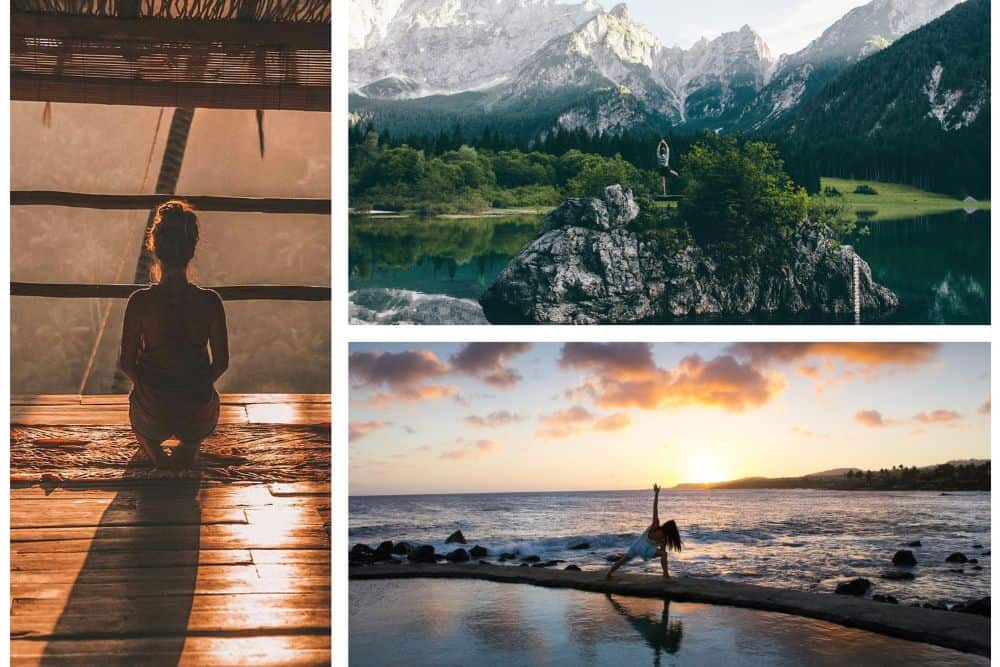
Whether you’re in a tropical paradise or a serene mountain setting, consider the climate and culture of your retreat to ensure comfort throughout your stay. This will inform your packing decisions.
Destinations
Review key seasonal changes for your country of choice. Some destinations have a rainy season, wide temperature variations throughout the day, or high humidity.
I recommend doing a quick search online for these key aspects and plan accordingly. You don’t need to “overdo it,” however. Just bring a versatile staple item (like a rainy jacket) that can double as another necessity (warm layer if it gets chilly, even when not raining).
Different Climates
- Hot/Tropical Climates: Ideally you have some moisture-wicking fabrics, but opt for breathable tank tops, shorts, or lightweight pants. Consider doing small loads of laundry and having the hot air dry them quickly.
- Beaches: Bring light, breathable clothing; a swimsuit is a must! I love my beach cover-up, but some days I find it annoying if I’
- Forests: Don’t forget insect repellent.
- Cold/Mountain Climates: Layer your clothing for maximum comfort (long-sleeve tops, leggings, and a light jacket if you’re having an outdoor session). Pack warmer clothes for the cooler evenings. Don’t underestimate how cold it can get when the sun goes down!
Cultural Considerations
Be mindful of cultural norms in your retreat destination. Research appropriate clothing, especially for sacred or local sites, and respect local customs during your stay.
If your style of clothing may not match up and you’re not sure if there are strict clothing rules are more like guidelines, at minimum arm yourself with a light long sleeve top layer and long lightweight pants (just in case!).
Specialty Retreats
- Retreats with indoor/outdoor yoga: Always bring layers for outdoor sessions (mornings may be chilly), and comfortable, lightweight attire for indoor practice.
- Detox retreats: While not a physical item, mentally preparing for a detox journey can enhance your experience. Embrace the process and stay open to new practices and routines. Review the detox dietary information and make informed choices on what you might bring (whole food snacks, protein powder to supplement, etc.)
- Eco-conscious: Our toiletry items (shampoo, soap, bug spray, etc.) wash off into the water system. Note any guidelines provided by your yoga retreat center and opt for eco-friendly products that are chemical free, organic, and biodegradable.

What NOT to Pack
Some of these items might end up on your packing list especially if your travels include adventures outside the yoga retreat. Packing light is key to a stress-free retreat. Here’s what you can skip:

❌ Excessive Clothing and Shoes: Bring only a few comfortable outfits; no need for formal wear (high heels) or bulky coats. Re-wear your one sweater every evening because nobody cares.
❌ Full Makeup and Hair Products: Embrace the natural look. Maybe just a swipe of mascara and colored lip balm and leave your curling iron at home.
❌ Work Materials: Leave work-related documents at home; a retreat is for relaxation and rejuvenation. Also, don’t be too ambitious with expecting to read multiple books during the week. The yoga retreat center might even have a small library so, if reading is your thing, ask ahead!
❌ Multiple Yoga Props: Most retreats provide essential equipment; confirm what’s available to avoid overpacking.
❌ Unnecessary Snacks and Food: Retreats typically provide healthy meals; only bring specific items you may need. Also, leave the bottle of wine at home (yoga retreats are not about getting’ tipsy).
❌ Too Many Toiletries: Stick to travel-sized essentials and avoid heavy, fragranced products.
❌ Negative mindset: You might feel frustrated at times if you’re trying something new with the yoga but try and relax. Keep an open mind.
Your Quick Yoga Retreat Packing Checklist
Based on insights from my personal experiences and a minimalist approach, I’ve compiled a comprehensive packing list to make your yoga retreat both comfortable and streamlined.
Prepare to pack light, stay centered, and fully immerse yourself in your yoga retreat.

Download the printable PDF of this packing list by CLICKING HERE!
Best Practices for Packing Smart and Light for Your Yoga Retreat
I’ve personally becoming an expert at minimalist packing, and it definitely pays off. It’s so freeing to be able to pack so lightly when traveling! Here are some smart considerations:
Pack for Versatility
Look for athletic leggings or flowy pants, sarongs, and tops that seamlessly transition from yoga sessions to casual outings.
For a trip with fewer items, I’ll pack certain tops and bottoms that pair well for multiple outfits (AND can be used for my workout)! For example, I’ll intentionally pack certain tank tops and sports bras that can be paired with a skirt for a polished look without packing extra outfits.
Additionally, layering is essential, even in warm climates, to stay comfortable during cooler mornings and evenings.

Roll, Don’t Fold
Rolling your clothes is a smart packing technique that saves space and minimizes wrinkles, keeping your yoga wear looking fresh. For even better organization, use packing cubes to compartmentalize your bag, making it easy to access your essentials. This method not only maximizes your luggage space but also allows you to find what you need quickly, ensuring a stress-free experience.
Keep Essentials Accessible
A lightweight daypack is a must-have for carrying your essentials, such as water, a towel, and personal items, during yoga sessions or excursions. Consider including a compact, quick-dry towel that can serve multiple purposes, from yoga classes to outdoor activities. Keeping these essentials within easy reach will enhance your retreat experience and allow you to focus on relaxation and rejuvenation.
Embrace Minimalism
I’ve become a PRO at this! Bring laundry detergent sheets for quick washes, allowing you to re-wear outfits without worry (no one on Instagram cares if you’re wearing the same few outfits).
By limiting yourself to one type of each item—like a single sweatshirt and a pair of pajama bottoms—you’ll free up space and simplify your travel experience, making it easier to disconnect and enjoy your yoga journey.

My Personal Experience
I’ve attended three yoga retreats, ranging from 3 to 7 days, and even taught yoga for three weeks at one destination. Through these experiences, I’ve picked up a few packing tips worth sharing.
Bring a Compact Tripod
For those looking to capture their yoga journey (or even snap some cute photos), I’d recommend this compact tripod. Plan a special day for photos, wearing your favorite yoga outfit with minimal makeup—especially after learning some great poses!
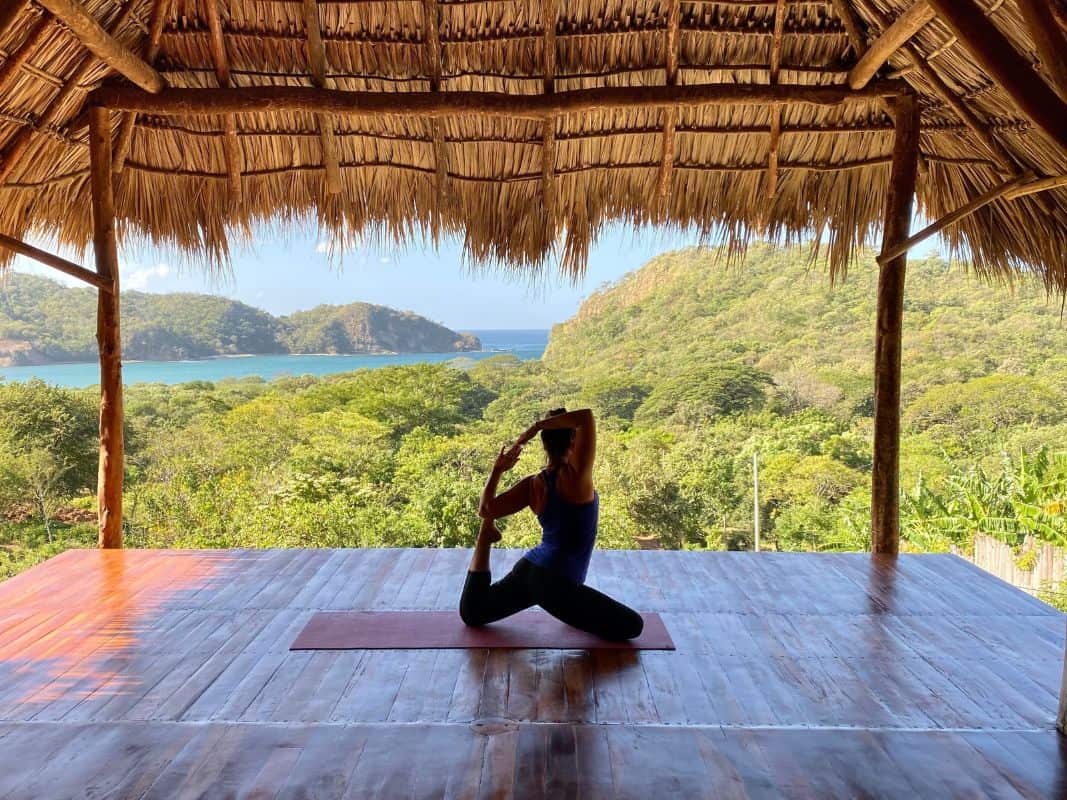
When I was in Nicaragua, the owners of the retreat even did some professional photos for us which was awesome!
Extend your trip
Especially in a remote yoga retreat setting, you’ll want personal time to explore the nearby area. Extending your trip is actually a great way to save money! You’re already in the area so you might as well make the most of your time.
If you’re adding activities to your itinerary, pack for those moments. Bring your hiking boots, or this waterproof phone case with a lanyard if you’re heading to the beach.
THRIFTY TRAVEL HACK: Extend your vacation and you’ll save on flights in the long run. During my two-week trip to Guatemala, only one week was for the yoga retreat at Lake Atitlan, and the other time was spent wandering around the charming city of Antigua and hiking some active volcanoes.
Laundry Detergent Sheets
Sweating more than expected is common. If your retreat doesn’t offer laundry services, or if you’d prefer to save, detergent sheets are a compact way to freshen up your outfits.
Bring a Small Flashlight
Depending on the layout of the retreat center (especially if it’s a bit “outdoorsy”), you might have to walk back to your accommodation in the dark. You can always opt to use the flashlight on your phone or a headlamp (if you brought one for hiking).
Don’t Overpack
Don’t stress about forgetting something. I’ve learned that, genuinely, as long as you have your passport, debit/credit cards, and your cell phone that you’ll be fine. Traveling with minimal luggage? Buy essentials like sunscreen and bug spray at your destination.
Clothing Travel Hack that will SAVE you Money!
Are you ready for it?
*
*
*
*
*
*
*
*
*
*
THIS TRAVEL TUBE NECK PILLOW!!!

Would you believe that for a two-week trip that I can fit all of my outfits in this neck pillow? It’s how I travel easily with “just a personal item” or for really long trips where I still want more luggage space.
This paired with doing laundry saves me tons of space (and MONEY) of flights!
It’s a game-changer!
FAQ’s
Still unsure about how to pack for your yoga retreat, especially if it’s your first time or you’re new to retreats? Don’t worry—here’s a helpful FAQ to guide you through the essentials, ensuring you’re prepared even as a beginner!
And if you want more tips on starting out, check out my blog post on yoga retreats for beginners to ease into your first experience with confidence.

How do I pack light for a yoga retreat?
To pack light, focus on versatile, multi-purpose clothing like tank tops, leggings, and items you can layer. Prioritize essentials like yoga gear, a small daypack, and travel-sized toiletries. Rolling clothes and using packing cubes can help save space and keep your luggage organized.
What do you eat on a yoga retreat?
Most yoga retreats offer nutritious, balanced meals, often focusing on plant-based, whole foods like fruits, vegetables, and grains. Some retreats may offer a detox menu or restrict certain foods, so it’s important to check in advance. If you have specific dietary needs, consider bringing supplemental items like protein powder or snacks.
Can a beginner go on a yoga retreat?
Yes! Many yoga retreats welcome beginners and offer classes tailored to different levels. It’s a great opportunity to deepen your practice in a supportive environment, with guidance from experienced instructors. Just be sure to check the retreat’s class structure to ensure it matches your comfort level.
How do you pack for a yoga retreat?
When packing for a yoga retreat, focus on essentials like comfortable yoga outfits, layers, and a lightweight yoga mat if not provided. Be mindful of the retreat location’s climate and pack accordingly—light clothing for warm environments, and layers for cooler ones. Don’t forget personal items like a quick-dry towel, water bottle, and any supplements you may need.
What bag should I take on a yoga retreat?
A carry-on or medium-sized duffel bag is often ideal for a yoga retreat. Choose something lightweight and easy to carry, especially if the retreat involves multiple destinations or outdoor activities.
Complement your luggage with a small daypack or tote for yoga classes, excursions, and personal essentials. It’ll be super convenient when regularly traversing around the yoga retreat center (without going back and forth to your room).

Do I need to bring my own yoga mat?
Many yoga retreats provide mats, but if you prefer using your own, opt for a lightweight, travel-friendly mat. If you’re particular about props like straps, blocks, or bolsters, check if the retreat supplies these or consider packing compact versions of your own. Bringing personal gear is entirely optional, depending on your preferences.
What toiletries should I pack for a yoga retreat?
Pack travel-sized toiletries like shampoo, body wash, and moisturizer. If you’re attending an eco-conscious retreat, consider bringing biodegradable products that are kind to the environment. Don’t forget sunscreen, insect repellent, and any personal hygiene items you may need, especially if the retreat is in a remote area.
What should I wear to a yoga retreat?
Comfort is key! Pack breathable, moisture-wicking clothing like yoga leggings, sports bras, and tank tops. Consider bringing layers for early morning or evening sessions and pack a swimsuit or cover-up if the retreat is near a beach or pool. Choose versatile pieces that can transition from yoga classes to casual outings.
Should I bring snacks or supplements to a yoga retreat?
While retreats generally provide balanced meals, you may want to pack supplements like protein powder, especially if you have specific dietary needs. Healthy snacks like nuts or energy bars are also good to have on hand for in-between meals, especially if the retreat involves fasting or detox elements.
Are there any special items I should pack for a detox retreat?
For detox retreats, consider bringing additional self-care items like herbal teas, a reusable water bottle for hydration, and supplements to support your body through the process. Light, comfortable clothing for relaxation, and detox-friendly snacks, like fruits or raw nuts, may also be helpful to have.
Final Thoughts
Here’s the Rundown: Pack lightweight, versatile clothing for yoga, excursions, and downtime. Consider including a few laundry detergent sheets to wash and re-wear clothing items.
Keep yoga gear minimal—confirm what the retreat supplies to avoid overpacking.
Prepare for the destination’s climate by layering key pieces.
Bring a journal, an open mind, and a small personal item for comfort.
Don’t overthink it! As long as you have your passport and yoga outfit, you’re all set. Your blissful retreat starts with mindful packing.

Ready to explore more ways to stay fit and healthy on your travels or plan epic adventures across the globe? Here are some ideas…
✴️Best Yoga Mats for Travel: Foldable, Compact & Easy to Pack
✴️Discover the Best Yoga Retreats for Beginners: A Comprehensive Guide
✴️45 Transformative Healthy Snack Hacks for Your Next Flight to Help you Soar in Vitality
Follow me on Instagram to follow my travel & fitness journey
